
The light in Tamarindo changes fast. One hour, the beach is bright and crisp with blue water and sharp shadows. A little later, the sky softens, the wind shifts, and everything looks warmer, calmer, and far more flattering on camera. That is exactly why tamarindo beach wedding photography is never just about showing up with a camera. It is about understanding the beach, the season, the schedule, and the way a destination wedding actually unfolds.
For couples planning from the US or abroad, that difference matters. A beach wedding can look effortless in photos, but the best results usually come from careful timing and a team that knows how to work with tropical weather, changing light, and real wedding-day movement without making the experience feel overly managed.
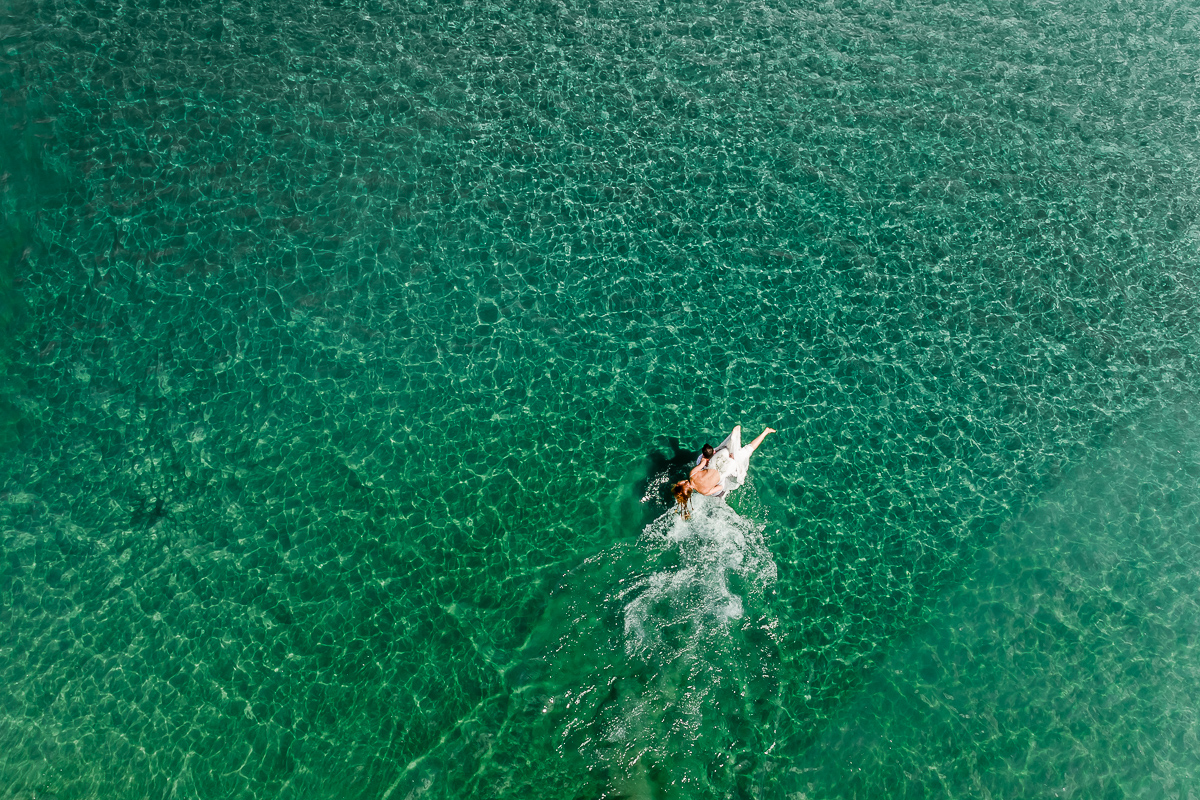
What makes Tamarindo beach wedding photography different
Tamarindo is beautiful, but it is not a controlled studio. The same elements that make it memorable for a wedding – ocean views, open sky, sunset color, palm-lined paths, and a relaxed coastal atmosphere – also create challenges that directly affect photography.
Midday sun can be intense. Wind can lift veils, move hair in every direction, and shift the sound and mood of a ceremony. The beach can also be active, especially during high season, which means photographers need to frame carefully, move quickly, and know where to position a couple for privacy without losing the feeling of place.
This is where local experience becomes part of the creative process. A photographer who understands Tamarindo knows when the beach is busiest, which stretches feel more intimate, how the light reflects off the sand late in the day, and when a nearby location may offer a better backup for portraits if the weather changes. That knowledge protects the final gallery just as much as camera skill does.
The best light for beach wedding photos in Tamarindo
If there is one factor that shapes the look of wedding images more than any expensive camera or editing style, it is timing. Light is everything on the coast.
Early afternoon is often the hardest window to photograph. The sun sits high, shadows fall sharply under the eyes, and the contrast between a white dress and bright sand can be extreme. Great photographers can absolutely work in those conditions, but it takes more care in posing, exposure, and location selection.
Late afternoon is usually where Tamarindo begins to give couples its most flattering look. Skin tones soften. The ocean and sky hold more detail. The background feels less harsh and more dimensional. Sunset portraits often create the signature images couples picture when they imagine a destination wedding in Costa Rica, but that does not mean every wedding should be scheduled entirely around sunset.
The trade-off is simple. A ceremony timed too close to sunset may give beautiful portraits, but can leave very little room for delays, family photos, or weather shifts. A slightly earlier ceremony often creates a better flow, giving enough daylight for key moments while still preserving that softer golden-hour look for couple portraits.
Why the timeline matters more than most couples expect
A strong photography timeline does not make the day feel rigid. It does the opposite. It gives space for the day to breathe.
Hair and makeup delays are common. Transportation can run late. Family members wander. Tropical weather can shift in a matter of minutes. When the timeline is too tight, those small issues start eating into the best light of the day. When it is built with intention, photography feels smooth and natural rather than rushed.
For destination weddings, that planning becomes even more important because couples are often coordinating a venue, planner, florist, and guests from another country. The photography team should not just document the schedule. They should help shape it in a way that protects the visual outcome.
Style matters, but so does the ability to adapt
Most couples begin their search by looking at editing style, and that makes sense. Some are drawn to true-to-life color. Others prefer a more cinematic, moody finish. But style alone is not enough when the setting is a beach wedding.
What really matters is whether the photographer can stay consistent under very different conditions. Bright ceremony light, shaded family portraits, indoor getting-ready moments, candlelit receptions, and fast-moving sunset sessions all happen in one day. The final collection should still feel cohesive.
That is one of the clearest signs of an experienced wedding photographer. Not just pretty hero shots, but a full gallery that feels polished from beginning to end.
Photo and video work best when they are built together
Many destination couples want both photography and videography, and for good reason. Photos preserve detail and stillness. Video captures movement, sound, vows, and atmosphere. On a beach, where wind, surf, and ambient light are part of the experience, the combination can feel especially powerful.
The important part is coordination. If photo and video teams do not work well together, the day can start to feel crowded. If they are aligned creatively and logistically, coverage feels fluid, and the couple gets a more complete story without extra stress. For that reason, many couples prefer a studio that can handle both under one creative direction.
Choosing locations for portraits beyond the ceremony spot
One of the biggest misconceptions about beach weddings is that all portraits should happen on the sand. Sometimes that is perfect. Sometimes it is not.
A varied gallery usually benefits from a mix of environments. A nearby path with tropical greenery, architectural details from the venue, a shaded terrace, or a dramatic overlook can add depth and elegance to the story. This matters because an all-beach gallery, while beautiful, can sometimes start to feel visually repetitive.
Tamarindo offers that versatility when you know where to look. The coast gives you openness and scale. Inland textures and built spaces can bring intimacy and contrast. A thoughtful photographer uses both, depending on the couple, the light, and the pace of the day.
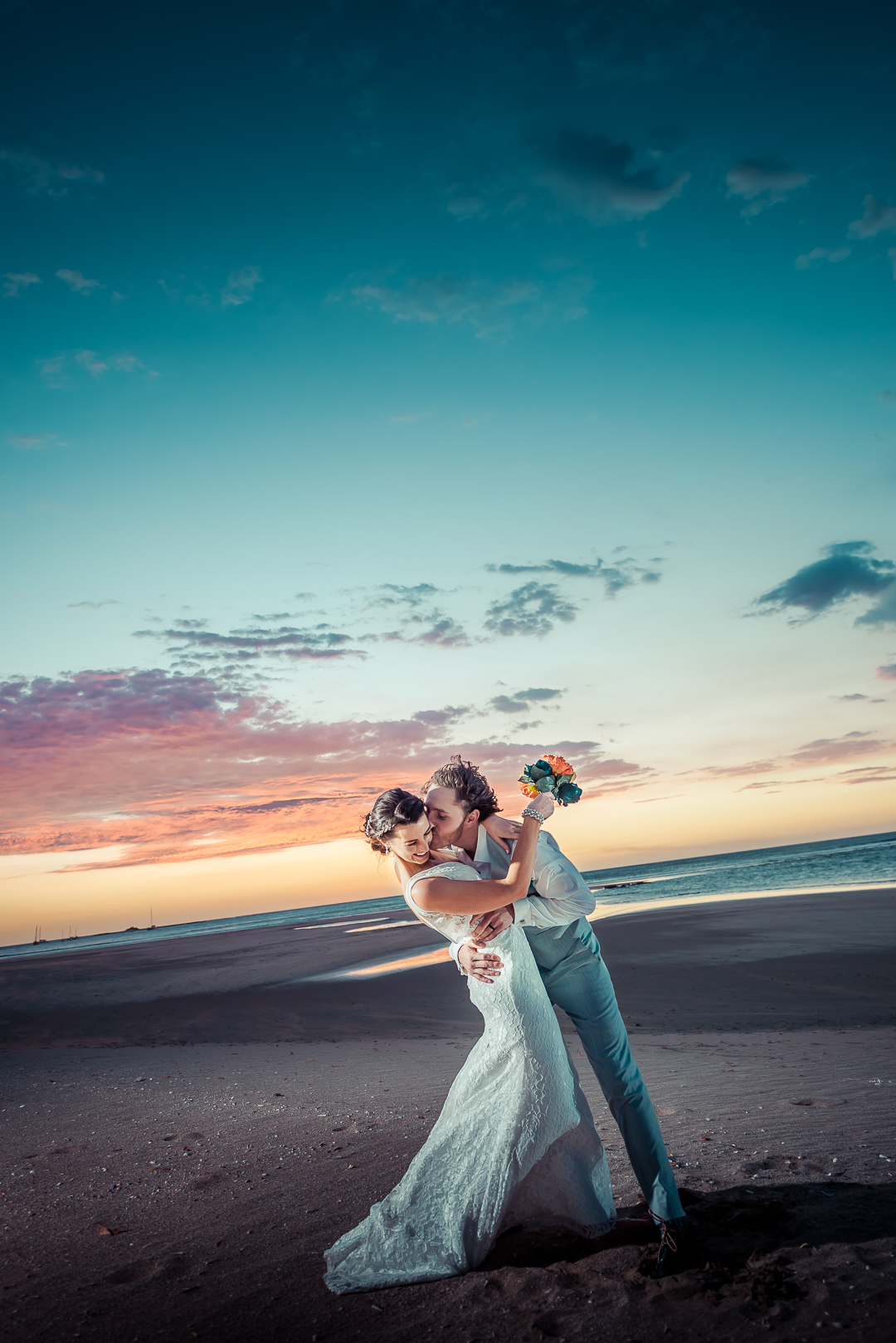
What to ask before booking Tamarindo beach wedding photography
Couples do not need to ask dozens of technical questions, but they should ask the right ones. Experience with destination weddings is one. Experience specifically with beach weddings is another. Those are not interchangeable.
It is worth asking how the photographer handles harsh sun, rain plans, shifting timelines, and crowded public areas. Ask to see full galleries, not just social media highlights. Ask how they direct portraits for couples who do not love being in front of the camera. And ask what support they offer during planning, because confidence behind the lens is only part of the job.
A premium photography experience should feel calm, not chaotic. You are not only hiring someone for image quality. You are hiring judgment, presence, timing, and the ability to make you feel comfortable in a very visible, emotionally significant setting.
Why local knowledge changes the final result
This is where tamarindo beach wedding photography becomes more than a search term. It becomes a practical decision about who understands the setting well enough to create images that feel elevated and effortless.
A local team knows how the seasons affect color, cloud cover, and beach conditions. They know which months bring stronger wind, when sunsets tend to be clearest, and which venues photograph best at certain times of day. That insight improves everything from timeline planning to portrait location choices.
For couples traveling in for a destination celebration, that kind of familiarity brings real peace of mind. You should not have to guess whether your photographer knows the area well enough to problem-solve in real time. You should feel that confidence from the first conversation.
Studios like BiDrop are often chosen for exactly that reason – not only for polished imagery, but for the blend of artistic direction, local expertise, and dependable execution that destination weddings require.
The photos should feel like your wedding, not a staged version of it
Beautiful wedding photography should never come at the cost of the experience itself. Yes, direction matters. Yes, portraits deserve intention. But the strongest galleries still leave room for reality – wind in the dress, laughter that breaks a pose, a quick look between the couple before the ceremony starts, guests barefoot in the sand as the light fades.
Those are the moments that keep beach wedding photography from feeling generic. They give the images personality, atmosphere, and memory. They make the gallery feel lived in rather than manufactured.
If you are planning a wedding in Tamarindo, the right photographer will understand both sides of the work. They will know how to create refined images with strong composition and beautiful light, and they will know when to step back and let the day unfold. That balance is what turns a pretty beach backdrop into a wedding story worth keeping.