
A luxury listing can have custom teak doors, ocean views, and flawless interiors, then lose momentum online because the photos feel flat, dark, or careless. That is why real estate photography requirements matter more than many sellers and agents expect. Buyers decide quickly, and the visual standard for property marketing is higher than ever.
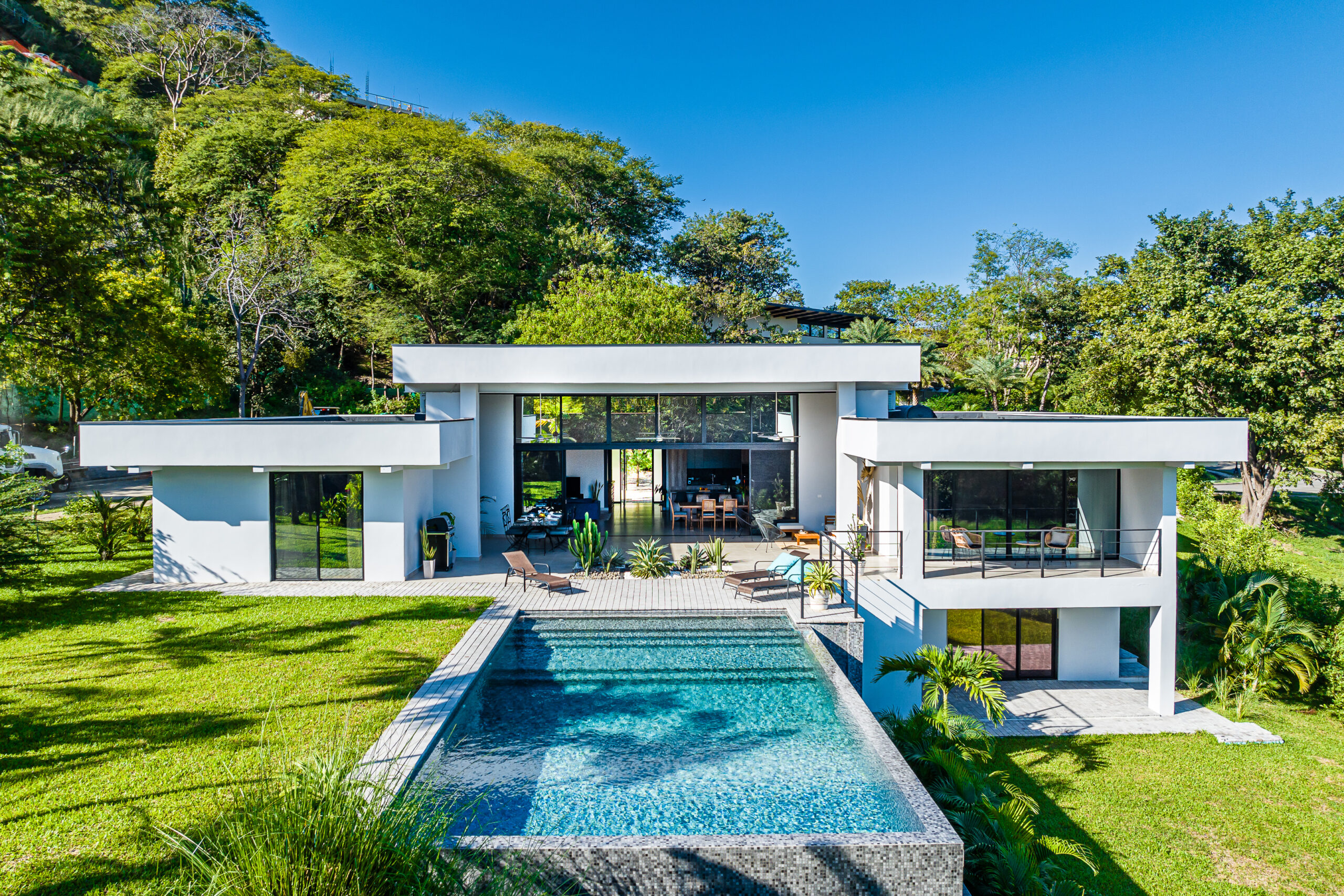
For high-value homes especially, photography is not just documentation. It is positioning. The images need to show architecture, scale, light, layout, and lifestyle in a way that feels credible and aspirational at the same time. When the work is done well, the property looks inviting without looking manipulated. When it is done poorly, even a remarkable home can appear ordinary.
What real estate photography requirements actually include
Many people hear the phrase and think it only refers to camera gear. In practice, real estate photography requirements cover the full production process. That includes preparation before the shoot, technical standards during capture, legal and safety considerations, editing choices, and the final delivery format.
A professional property shoot should begin with the condition of the home itself. Clean surfaces, aligned furniture, open sightlines, working lights, and a clear plan for which spaces matter most are part of the visual result. Photography can elevate a property, but it cannot hide poor preparation for long.
From there, the technical requirements come into focus. Images should be sharp, level, well exposed, and consistent from room to room. Windows should hold detail where possible. Vertical lines should remain straight. Color should feel natural. The final gallery should present the property as a coherent experience, not as a random set of attractive corners.
The technical standard buyers now expect
The baseline is much higher than it was a few years ago. Phones have improved, but serious listings still require controlled capture and polished post-production. Buyers may not speak in photographic terms, yet they notice immediately when a space feels distorted, dim, or visually confusing.
Resolution and image quality
Listing photos need enough resolution for MLS platforms, brokerage websites, brochures, and premium marketing pieces. That does not mean oversized files with no purpose. It means clean, high-quality exports optimized for both fast web use and print flexibility.
Noise, softness, and compression artifacts create an impression of lower value. For luxury properties, that impression can undercut the asking price before a showing is ever booked.
Correct perspective
One of the clearest real estate photography requirements is proper perspective control. Walls should not look like they are falling backward. Door frames should not bend. Rooms should not appear wider than they really are just because an ultra-wide lens was used carelessly.
A little visual generosity is normal in real estate marketing. Misrepresentation is not. The goal is to make a room feel open and elegant while preserving believable proportions.
Balanced lighting
Interior photography lives or dies by light. Bright windows and darker interiors create a challenge that requires experience, whether through bracketing, supplemental lighting, or both. A good final image feels bright and dimensional, not washed out.
This is where local knowledge can make a visible difference. In coastal markets with strong tropical sun, light shifts fast and contrast can be intense. Timing matters. So does knowing when to shoot a facade, terrace, or pool area to avoid harsh shadows and blown highlights.
Property preparation is part of the requirement
The best camera in the world cannot fix cluttered countertops, wrinkled bedding, dead landscape lighting, or patio furniture arranged without intention. Sellers and agents often underestimate how much styling affects the final gallery.
A well-prepared home photographs with more clarity and calm. That means removing personal items, reducing visual noise, hiding cords, straightening linens, cleaning glass, and checking every detail that pulls the eye away from the architecture. In premium homes, small flaws stand out even more because the rest of the property is expected to feel refined.
There is also a practical side to this. Good preparation makes the shoot more efficient and creates a better sequence of images. If the team needs to stop every few minutes to move objects, turn lights on, or restage a room, both time and consistency suffer.
The shot list should reflect the property, not a formula
Every property needs core images, but not every home should be photographed the same way. Real estate photography requirements are shaped by the asset itself. A modern villa with ocean views needs a different visual strategy than a condo, boutique hotel, or development site.
At minimum, buyers usually need exterior hero shots, key living spaces, kitchen, primary bedroom, primary bath, secondary rooms if they add value, outdoor areas, and any features that define the property. That could be a sunset terrace, a courtyard, custom materials, or a strong indoor-outdoor transition.
What matters is sequencing and intention. The gallery should guide a viewer through the home in a way that feels natural. If the first images are weak, or if the order creates confusion about layout and priority, attention drops quickly.
Drone, video, and virtual content are no longer extras
For many listings, especially large estates, view properties, resorts, and new developments, still photography alone is not enough. Buyers increasingly expect a broader visual package that helps them understand location, scale, and flow.
Aerial imaging
Drone photography is useful when it adds real context. It can show lot boundaries, proximity to the beach, elevation, neighborhood setting, and the relationship between structures and landscape. It should not be used just because it looks impressive.
There are also legal requirements. Drone work must follow local aviation rules, airspace restrictions, and safety standards. That matters in destination and coastal markets where protected areas, hotels, and busy flight corridors may affect what is possible.
Video and motion assets
Property video gives atmosphere that stills cannot fully capture. Moving through a hallway, opening toward a view, or seeing palm trees shift in the wind creates emotional pull. For premium listings, that emotional layer often supports stronger engagement.
Short-form vertical clips, branded reels, and cinematic walkthroughs all serve different purposes. The right choice depends on where the property will be marketed and how quickly the agent needs content.
Virtual tours and virtual staging
These tools are especially useful when buyers are remote or when a property is vacant. A virtual tour can reduce friction for long-distance buyers. Virtual staging can help an empty room make sense. Both need restraint. If the digital treatment feels unrealistic, trust erodes.
Editing should elevate, not mislead
Editing is one of the most misunderstood parts of the process. Clients often notice it only when it is excessive. Good editing is quiet. It refines the image so the property feels polished, balanced, and true to life.
That usually includes exposure blending, color correction, vertical correction, window pulls, minor cleanup, and selective retouching. It may also include sky replacement in limited cases, but that decision depends on the market, the weather, and the honesty of the presentation.
Luxury buyers are highly visual. They can sense when an image feels artificial. Over-saturated greens, fake-looking twilight effects, and exaggerated room size may create clicks, but they can damage trust when the in-person visit does not match the gallery.
Turnaround time and delivery matter more than people think
A beautiful shoot loses value if the files arrive late, disorganized, or in the wrong format. One of the practical real estate photography requirements is dependable delivery.
Agents need images sized correctly for MLS and web use. Developers may need high-resolution files for print, presentations, and campaigns. Hospitality and branded residence projects often need licensing clarity and a broader asset library. The deliverables should match the marketing plan, not force the client to chase missing versions later.
Fast turnaround helps listings go live while momentum is strongest, but speed should not come at the cost of quality. The right studio balances both.
Experience is a requirement, not a luxury
A property photographer is not simply someone with a camera and a wide lens. They need to understand architecture, interiors, weather, timing, post-production, and buyer psychology. They also need to work efficiently on site, especially in occupied homes, high-end rentals, or time-sensitive launch conditions.
That experience becomes even more valuable in visually complex settings. Tropical light, reflective surfaces, open-air living spaces, and dramatic views can be stunning, but they are not easy to photograph well. A seasoned team knows how to preserve the atmosphere without losing the detail that sells the property.
BiDrop approaches this kind of work with that balance in mind – polished enough for premium marketing, grounded enough to feel believable.
The strongest property marketing does not just show what is there. It helps the right buyer feel why the place is worth seeing in person. If you are evaluating photography for a listing, think beyond the camera. The real requirement is a visual standard that respects the property, the market, and the decision a buyer is about to make.