
A luxury villa can look stunning in photos and still be photographed the wrong way for its goal. That is the core difference between real estate and architecture photography. One is built to help a property sell, rent, or generate inquiries now. The other is built to interpret design, space, materials, and intent with far more precision and restraint.
People often use the terms interchangeably because both involve photographing buildings and interiors. But for property owners, agents, developers, architects, and hospitality brands, the distinction matters. It affects how the shoot is planned, how the images are styled, what equipment is used, how long production takes, and what the final gallery is supposed to accomplish.
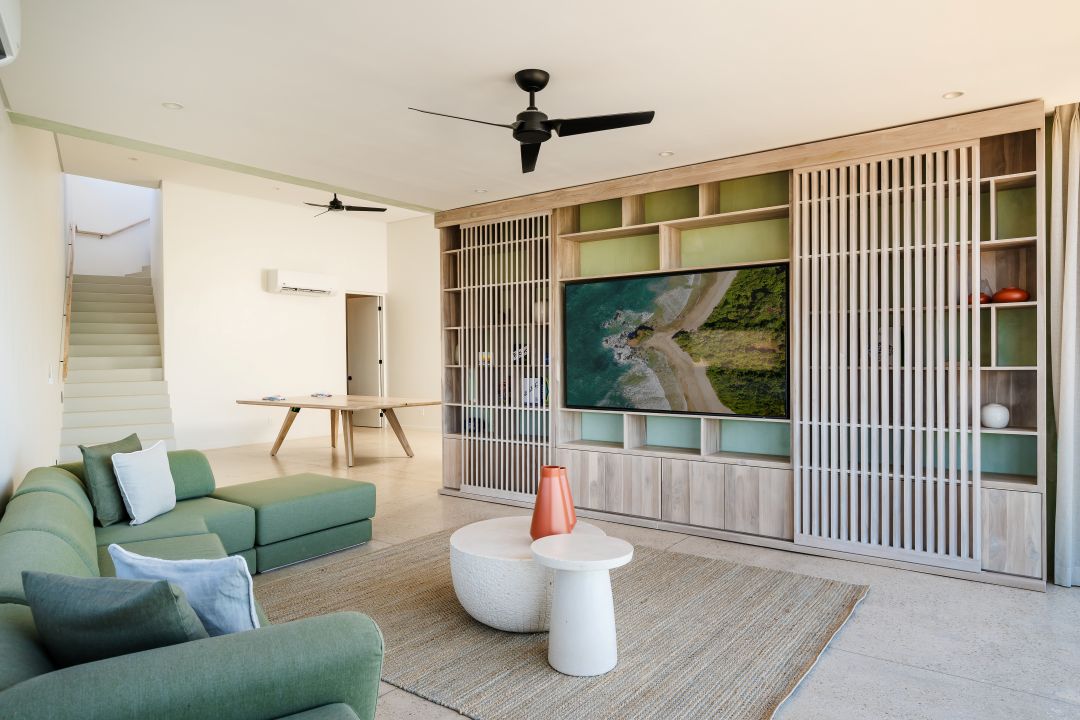
The difference between real estate and architecture photography starts with purpose
If you only remember one thing, let it be this: the purpose is different.
Real estate photography is marketing photography. Its job is to make a property attractive to buyers, renters, or guests. It needs to be inviting, clean, spacious, and easy to understand at a glance. These images are often used in listings, brochures, social media, and digital campaigns where attention is short and competition is high.
Architecture photography is design photography. Its job is to represent a building or interior as a work of design. It pays closer attention to form, proportion, lines, material relationships, and the architect or designer’s original vision. The audience might include architects, developers, interior designers, hospitality groups, publications, or brands building a long-term portfolio.
That difference in purpose changes nearly every creative decision that follows.
Real estate photography is about selling the experience fast
A real estate image has to work quickly. In many cases, a buyer or traveler is scrolling through dozens of options in minutes. The photographer is not simply documenting the property – they are helping the viewer imagine arriving, staying, relaxing, entertaining, or investing.
That usually means brighter exposures, wider compositions, and an emphasis on flow from one room to the next. A real estate photographer often covers the essential spaces in a strategic order: exterior, entry, living areas, kitchen, bedrooms, bathrooms, amenities, and views. The images need to feel polished, but also highly legible. A viewer should immediately understand the layout, features, and emotional appeal.
In a destination market, this can be even more important. A home in a tropical setting may need imagery that shows not just square footage, but lifestyle value – indoor-outdoor living, pool design, ocean-facing terraces, natural light, privacy, and surrounding atmosphere. Those details support the sale, but they are still framed through a commercial lens.
Architecture photography is about interpretation and design integrity
Architecture photography moves at a different pace. It is less about speed and more about authorship.
A strong architecture image does not just show that a room is large or that a facade is impressive. It reveals why the space works. It gives attention to rhythm, symmetry or asymmetry, spatial tension, framing, texture, and the way light interacts with surfaces over time. It may include fewer rooms and fewer total images, but each frame tends to be more deliberate.
This kind of photography often requires waiting for the exact time of day when shadows fall correctly or when the natural and artificial light are in balance. Styling is usually more restrained. Editing is more careful about preserving realism in materials and color. Vertical lines, perspective control, and compositional discipline become central.
For architects and designers, these details are not cosmetic. They are the subject.
The biggest visual differences in the final images
At first glance, the two styles can overlap. Both may use high-end cameras, drone imagery, detail shots, and carefully composed interiors. But once you know what to look for, the difference between real estate and architecture photography becomes easier to spot.
Real estate photography often favors wider lenses and brighter, more open-looking images. The goal is to maximize clarity and appeal. Rooms may feel slightly more expansive because the image is supporting a marketing objective. The set is usually tidy and inviting, with decor adjusted to feel broadly aspirational.
Architecture photography is usually more selective. The lens choice may be less exaggerated. Compositions may be tighter or more controlled. Negative space might be used intentionally. Instead of asking, “How do we make this room look as appealing as possible?” the question becomes, “How do we show the design honestly and beautifully?”
Neither approach is better in every situation. They are simply solving different problems.
Planning and production are not the same
Real estate shoots are often faster and more operational. There may be a listing deadline, a launch date, or a rental calendar to work around. Efficiency matters. The photographer may need to capture the full property in a half day while still producing a gallery that feels premium and complete.
Architecture photography usually involves more pre-production. There may be discussions with the architect, developer, hotel brand, or interior designer about key design features, intended use, publication goals, and brand standards. Shot lists can be more conceptual than practical. Timing may be built around seasonal light, weather conditions, or when construction and styling are fully finished.
This is one reason luxury properties sometimes need both. A developer may want real estate imagery to market residences now, and separate architecture imagery to document the project for press, awards, investor materials, or portfolio use later.
Styling, retouching, and truthfulness
Styling exists in both fields, but the intent differs.
In real estate photography, styling often supports desirability. Pillows are adjusted, counters are simplified, outdoor furniture is positioned to suggest comfort, and small distractions are removed. Retouching may include window balancing, sky enhancement, lawn cleanup, or replacing minor visual distractions. The property should still be truthful, but it is being presented at its best.
In architecture photography, styling is usually quieter. It supports the design instead of competing with it. Retouching is still common, but heavy manipulation can undermine credibility, especially if the images are being used by architects or designers who need faithful representation of finishes, tones, and spatial relationships.
This is where experience matters. Premium visual work is not just about making a property look expensive. It is about understanding how far to shape an image before it stops feeling honest.
Who usually needs which service?
Real estate agents, brokers, vacation rental owners, and hospitality operators usually need real estate photography first. Their priority is performance. They want more inquiries, stronger first impressions, and imagery that supports bookings or sales.
Architects, interior designers, developers, and design-forward hotels often need architecture photography when they want the work itself to be documented with greater authorship. They may be speaking to peers, publications, investors, or future clients who care deeply about design quality.
Some owners sit in the middle. A luxury home with exceptional design may need listing images that convert, plus a secondary set of architectural images that elevate the brand behind the project. That is often the smartest approach when the property is both a commercial asset and a design statement.
Why choosing the wrong approach can cost you
If you use architecture photography for a standard listing, the result can be beautiful but incomplete. You may end up with moody, refined images that do not clearly explain the property to buyers. That can hurt response.
If you use basic real estate photography for a landmark home, boutique hotel, or architect-designed residence, the result may feel generic. The images might show the rooms, but miss the design intelligence that gives the property its real value.
This is where a boutique studio with both artistic judgment and commercial understanding becomes valuable. At BiDrop, that balance is often what clients need most – imagery that feels elevated enough for a premium brand and strategic enough to support actual business goals.
So which one should you book?
Start with the end use. If the images are primarily for MLS, rental platforms, sales decks, or fast-moving marketing campaigns, real estate photography is usually the right fit. If the images are meant to showcase design authorship, construction quality, or portfolio-level aesthetics, architecture photography is likely the better choice.
If your property is high-value, design-driven, or part of a larger brand story, ask whether one gallery can realistically do both jobs. Sometimes it can. Often, it cannot. The most effective visual strategy is the one built around your actual audience, not just the type of building.
A well-photographed property should do more than look good. It should communicate the right message to the right viewer, with enough precision that the images keep working long after the first impression.