
A luxury listing can lose momentum before a buyer ever reads the description. One dim room, one crooked frame, one washed-out window, and the property starts to feel smaller, older, or less valuable than it really is. That is why strong real estate photography examples matter – they do more than show a home. They shape first impressions, set expectations, and help buyers imagine themselves inside the space.
For agents, developers, and property owners, the difference between average and exceptional imagery usually comes down to intention. The best photos are not just technically clean. They are selective, strategic, and built around what makes a property desirable in the market it serves. A vacation rental near the coast needs a different visual story than a contemporary residence designed for architectural buyers. The camera work should reflect that.
What the best real estate photography examples have in common
When you review real estate photography examples that actually perform, a pattern appears. The image quality is only part of the story. The stronger examples understand how people browse listings, what makes them pause, and what builds confidence quickly.
A successful image usually does three things at once. It explains the layout, it highlights the value of the space, and it creates an emotional pull. That pull might come from morning light in a primary bedroom, the clean geometry of a modern facade, or the way indoor and outdoor living connect in a tropical property. Buyers do not always articulate why an image feels expensive or inviting, but they respond to it instantly.
That said, style without accuracy is a problem. Over-editing can make a property look better online and worse in person, which damages trust. The strongest work feels polished yet believable. It gives the home its best presentation without creating a false one.
12 real estate photography examples worth studying
1. The hero exterior at the right time of day
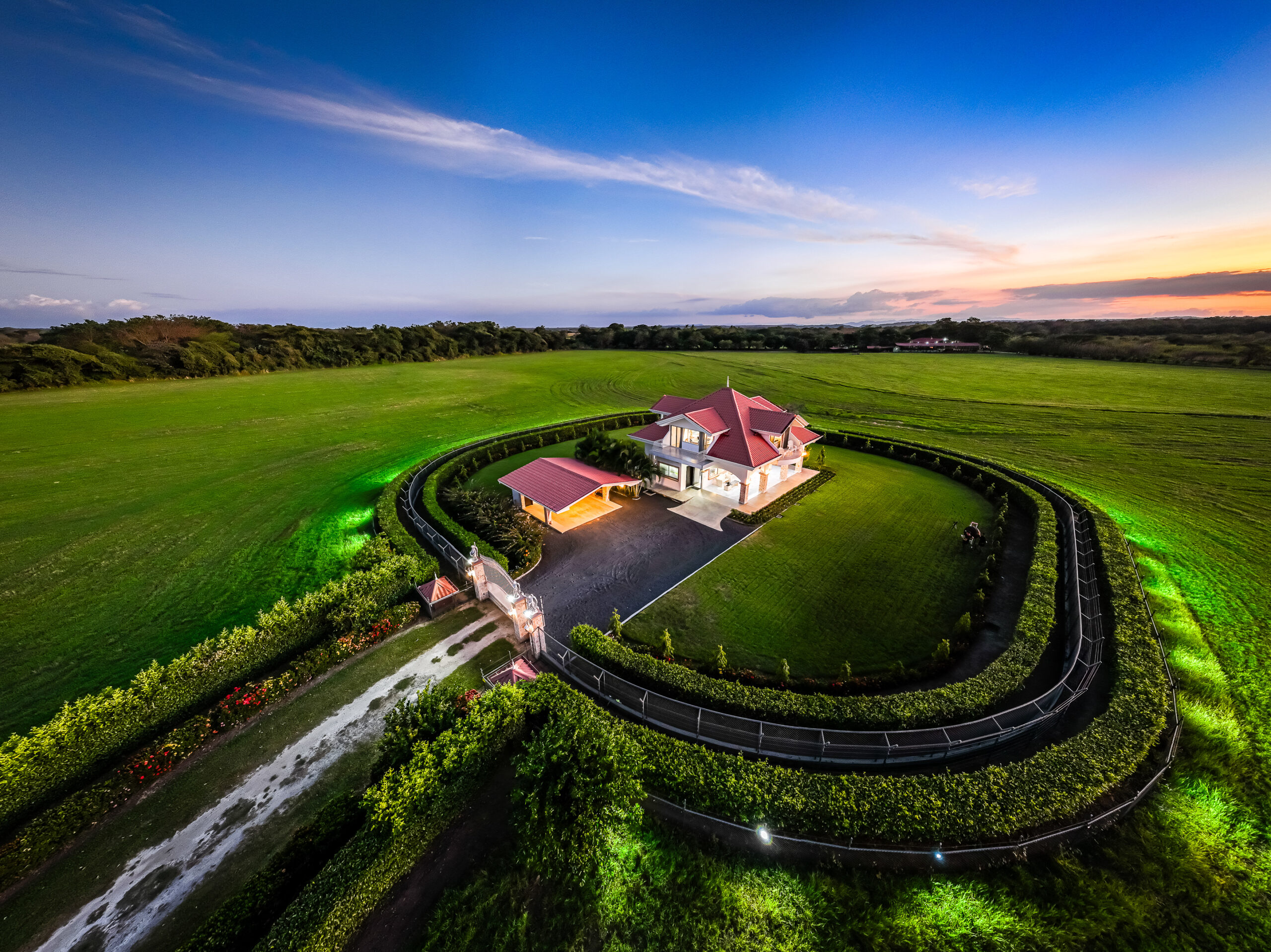
The opening image carries more weight than any other photo in a listing. A strong exterior hero shot is usually captured when the light flatters the architecture, landscaping, and sky instead of fighting them. For some homes, that means early morning crispness. For others, especially luxury properties, twilight creates warmth and depth that daytime cannot match.
This example works because it gives context and status. The buyer immediately understands the style of the home, the scale, and the condition of the property.
2. The wide living room that still feels true to scale
Wide-angle photography is standard in real estate, but there is a fine line between expansive and distorted. One of the best real estate photography examples is a living room image that feels open without bending walls or stretching furniture into something unrealistic.
Good composition keeps vertical lines straight and lets architectural features anchor the frame. A buyer should feel the spaciousness, not the lens.
3. The kitchen shot with clear visual priorities
Kitchens sell homes, but not every kitchen photo does the job. The strongest examples reveal both layout and finish quality in one frame. You should be able to see the island, surrounding cabinetry, appliances, and circulation space without visual clutter competing for attention.
In higher-end listings, details matter. Stone texture, fixture finish, and natural light all help communicate value. If the kitchen opens to dining or outdoor space, showing that connection often works better than isolating the room.
4. The bedroom image that feels quiet, not empty
Bedrooms are often photographed too cold or too flat. A better example uses soft light, clean styling, and a framing angle that makes the room feel restful. It should show enough floor area to establish size, but the mood matters just as much.
This is especially true in resort and destination markets. Buyers are not only evaluating square footage. They are buying a lifestyle, and the bedroom should suggest comfort, privacy, and calm.
5. The bathroom photo that captures finish and function
Bathrooms benefit from precision. A strong example presents symmetry when possible, keeps mirrors clean and controlled, and balances bright surfaces without losing detail. White tile, stone, and glass can easily blow out under poor editing.
The best bathroom images feel fresh and high-end because they are carefully lit and carefully simplified. Towels, décor, and reflections all need restraint.
6. The indoor-outdoor transition shot
For properties where exterior living is part of the value, this image can be more persuasive than a standard patio photo. A frame that shows sliding doors open to a terrace, pool, or ocean-facing lounge tells buyers how the home lives.
This works particularly well in warm-weather destinations. In places like Guanacaste, where climate and landscape are major selling points, the transition between interior design and outdoor experience is often central to the property story.
7. The aerial image with purpose
Drone photography can add enormous value, but only when it explains something useful. Aerials are at their best when they show lot lines, proximity to the beach, elevation, surrounding greenery, or access to amenities. A random overhead shot may look impressive, but it does not always help the buyer understand the property.
The strongest example answers a location question. Where does the house sit? How private is it? How close is it to the water, golf course, or town center? That is what makes the image commercially effective.
8. The architectural detail shot
Not every listing needs detail images, but premium homes often do. A close view of custom woodwork, a sculptural staircase, handcrafted tile, or a striking ceiling treatment can elevate the entire gallery. These images signal design quality.
The trade-off is that detail shots should support the core set, not replace it. If the main rooms are underrepresented, beautiful close-ups can feel indulgent rather than useful.
9. The lifestyle angle in a luxury listing
Some homes benefit from one or two editorial-style images that go slightly beyond strict documentation. Think of a covered terrace at sunset with table settings in place, or a pool deck framed to emphasize privacy and atmosphere. These photos are still honest, but they are composed with emotional resonance in mind.
For luxury marketing, this approach can be powerful. Buyers in that tier are often responding to identity and experience as much as utility.
10. The empty room that still has structure
Vacant homes are harder to photograph well because there is nothing to soften corners or guide the eye. A good example uses lines, light, and thoughtful angles to create shape and proportion. The room should feel clean and full of possibility, not abandoned.
This is where virtual staging can help, but only when used tastefully and disclosed appropriately. In some cases, a beautifully photographed empty room is stronger than a badly staged one.
11. The view shot that balances inside and outside
Properties with ocean, mountain, golf, or city views need more than one obvious image pointed out a window. A better example frames the view as part of the living experience. A dining area opening toward the horizon or a bedroom facing the water gives context and emotional weight.
The challenge here is exposure. If the exterior is visible but the room turns into a dark silhouette, the image loses impact. Good blending and careful timing solve that.
12. The closing image that leaves a lasting impression
Most people think about the first image, but the final image matters too. A strong closing photo might be a twilight pool scene, a dramatic exterior detail, or a beautifully composed terrace. It leaves the gallery on a high note and reinforces the home’s identity.
This is a subtle move, but good listing presentation is built on subtle decisions.
How to judge real estate photography examples for your own property
If you are hiring a photographer, do not just ask whether the portfolio looks beautiful. Ask whether the examples show consistency across different homes, lighting situations, and room types. One impressive villa at sunset proves less than a full body of work that handles condos, estates, rentals, and architectural projects with the same level of control.
It also helps to look for market awareness. A photographer who understands luxury real estate should know when to emphasize craftsmanship, when to focus on lifestyle, and when to keep things strictly clean and informational. Those are not interchangeable choices.
At BiDrop, that balance matters because properties are rarely just buildings. They are investments, destinations, and branded experiences. The imagery has to support all three when needed.
What buyers notice that sellers often miss
Property owners sometimes focus on the rooms they personally love, while buyers respond to clarity. They want to understand flow, finish level, natural light, and privacy within seconds. That is why a technically perfect photo can still fall flat if it answers the wrong question.
They also notice inconsistencies quickly. If one image is bright and airy and the next is muddy or heavily tinted, the listing starts to feel less credible. Strong photography creates visual confidence. Every frame belongs to the same story.
And then there is restraint. A packed gallery with too many similar angles weakens the strongest images. Better to show a home with discipline than to flood the viewer with repetition.
Why examples matter more in premium markets
In higher-value properties, photography is not a box to check. It is part of positioning. Buyers expect a certain level of polish, and poor imagery can make even an exceptional home feel second-tier. On the other hand, well-crafted visuals signal professionalism before an inquiry ever comes in.
That does not mean every property needs a massive production. It depends on price point, audience, and sales strategy. But as listing values rise, the cost of underpresenting a home rises with them.
The most useful real estate photography examples are the ones that make you see this clearly. They show that great property marketing is not about making a home look flashy. It is about revealing its value with precision, beauty, and enough honesty that the right buyer trusts what they are seeing.
When you review your next listing, pay attention to the images that make you stop. They usually are not louder. They are simply more intentional.