
A guest can make a decision about your rental before reading a single line of your description. They see the cover image, scan a handful of photos, and decide whether the property feels like the stay they had in mind. That is why Airbnb photos increase booking rates when they do more than document a room. They make the experience feel real, desirable, and worth choosing.
For a Tamarindo villa, that may mean the first warm light on a pool terrace, the calm of a shaded outdoor dining area, or the exact view that makes a guest picture their morning coffee. For an urban apartment or a mountain retreat, the visual priorities change. The principle does not: photography needs to answer the guest’s unspoken question, “Can I see myself staying here?”
Why Airbnb Photos Increase Booking Rates
Airbnb is a visual marketplace with a fast-moving comparison process. Guests are rarely evaluating one listing in isolation. They are moving between similar nightly rates, bedroom counts, locations, and amenities. When the practical details are comparable, the listing that feels more considered often earns the click.
Professional imagery creates that feeling by making the property easier to understand. A bright, well-composed photograph clarifies scale. A thoughtful sequence explains how the living room connects to the terrace, where the bedrooms sit, and what the pool area actually offers. Guests should not need to guess whether a kitchen is spacious enough for their group or if a beach is genuinely close.
There is also a trust element. Clean lines, accurate colors, balanced interior lighting, and carefully prepared spaces suggest that the host pays attention. That perception matters most for premium homes, where guests are making a higher-stakes decision and expect the listing to support the price.
Great photos do not compensate for a misleading description, poor reviews, or an unrealistic rate. They do, however, ensure that an excellent property is not overlooked because it was presented like an afterthought.
Start With the Image That Stops the Scroll
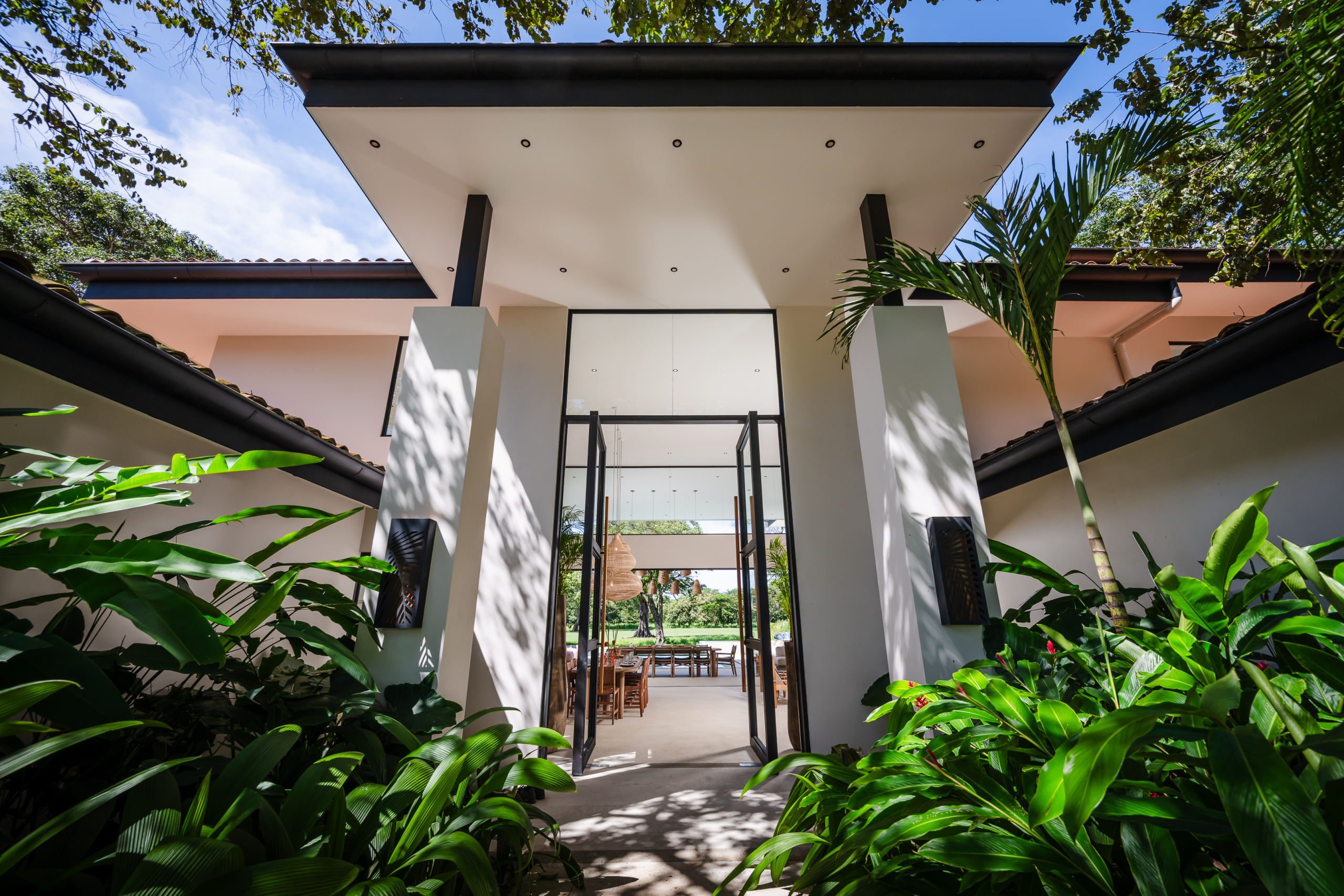
The cover photo carries disproportionate weight. It should show the feature that makes your property distinct, not simply the first room a photographer encounters. For some homes, that is an architectural exterior framed by tropical greenery. For others, it is an inviting pool, a broad ocean view, a beautifully designed living space, or a sunset-ready rooftop.
A strong cover image has a clear subject and immediate atmosphere. It should feel open without becoming vague. An excessively wide image can make a room look larger, but it can also distort the space and reduce trust when guests arrive. The goal is an attractive, believable first impression.
Seasonality matters here. In Guanacaste, for example, bright dry-season light may flatter a pool and exterior architecture, while green-season conditions can bring out lush landscaping and a softer, more intimate mood. A photographer with local experience knows how to work with both rather than treating weather as a problem to be fixed.
Build a Gallery That Answers Practical Questions
A booking gallery should feel like a well-paced property visit. It begins with the strongest reason to book, then moves through the spaces that influence comfort and value. Guests want beauty, but they also want certainty.
Show the arrival experience, main gathering spaces, bedrooms, bathrooms, kitchen, dining area, and outdoor amenities. If a workspace, washer and dryer, outdoor shower, gated parking, surfboard storage, or family-friendly feature helps a guest choose your listing, photograph it with the same care as the hero spaces.
Photograph for groups, not just rooms
Many bookings are made by couples, families, and groups of friends planning a shared stay. A beautiful bedroom matters, but so does proof that everyone can gather comfortably. Show the dining table set for its intended capacity, the sectional seating, the pool loungers, and the outdoor grill area.
This is especially valuable for vacation homes with several bedrooms. Instead of presenting a disconnected collection of rooms, photography can show how the home supports time together and private downtime. That story helps guests justify a higher nightly rate because they can understand the full experience behind it.
Make amenities easy to verify
Amenities are often where a listing wins or loses a booking. If the home has a heated pool, direct beach access, a private gym, a dramatic bathtub, a chef’s kitchen, or a view that remains visible from the main living space, do not leave it buried in text.
Photograph it clearly and honestly. A distant ocean glimpse should not be framed as if it were beachfront. A compact plunge pool should look inviting, not artificially enormous. Accurate photography attracts guests whose expectations match the property, which can reduce disappointment and protect reviews.
Light Is the Difference Between Pleasant and Premium
Light is not decoration. It defines how a space feels on screen. Natural daylight can make interiors feel fresh and open, but uncontrolled daylight often creates harsh windows, dark corners, and uneven colors. The best real estate and hospitality photography balances the scene so the room feels bright while maintaining the view outside.
Timing matters just as much outdoors. Midday sun can be ideal for showing water color, beach proximity, and clean architectural lines. Early morning or late afternoon can give terraces, pools, and gardens a softer, more inviting tone. Twilight images can be powerful for homes with strong landscape lighting, but they should support the gallery rather than replace clear daytime coverage.
Before the shoot, prepare the home for the light it deserves. Replace burned-out bulbs, open curtains that reveal a good view, remove temporary signs and maintenance items, and confirm that the pool, garden, and outdoor furniture are ready. A photographer can shape a scene, but preparation protects the final result.
Style the Property Without Making It Feel Staged
Hospitality photography benefits from restraint. A folded throw, fresh towels, place settings, a bowl of local fruit, or a few well-placed cushions can make a home feel cared for. Too much styling can distract from the property or set an expectation the host will not maintain between stays.
The most effective approach is to create a polished version of the real guest experience. Counters should be clear, beds should be crisp, and surfaces should be free of personal clutter. At the same time, the home should retain its character. A villa with handcrafted wood, local art, and indoor-outdoor living should not be photographed as though it could be anywhere.
BiDrop Images approaches Airbnb photography as a visual story, balancing architectural accuracy with the atmosphere that makes a Costa Rica stay memorable. That balance is particularly useful when a listing needs to appeal to international guests who are booking from far away and relying on the gallery to make a confident decision.
Use Video and Aerials With a Clear Purpose
Still photography should remain the foundation of a listing gallery, but video, aerial photography, and virtual tours can add valuable context. They are most useful when a property has scale, a compelling setting, or a layout that is difficult to understand through individual images.
An aerial image can show proximity to the beach, privacy within a hillside setting, or the relationship between a home and its surrounding landscape. A short video can convey the movement from an entry through an open-plan living space to the pool. A virtual tour can help qualified guests inspect a larger property before booking.
These assets are not automatically necessary. A small, straightforward condo may benefit more from exceptional still images than from a long video. The right choice depends on the property, its price point, and what guests need to feel certain.
Refresh Photos When the Property Changes
Many hosts update furniture, repaint rooms, add a pergola, improve landscaping, or introduce new amenities, then continue using a gallery that no longer reflects the stay. That gap can create confusion and leaves a real marketing advantage unused.
Refresh imagery after meaningful upgrades, after a major renovation, or when your current photos no longer match the level of service you offer. It is also worth reviewing the gallery before high season. If your listing is competing for holiday travelers or peak surf-season guests, presentation should be as sharp as the home itself.
The best Airbnb gallery does not shout. It quietly gives guests every reason to trust the property, picture the stay, and choose it over the next tab they open. When your images make that decision easier, they become one of the most valuable assets in your booking strategy.