
A luxury villa can feel breathtaking in person and strangely flat in a photo. The same thing happens with boutique hotels, modern homes, and commercial spaces that were carefully designed to impress. That gap is exactly where the answer to what is architectural photography becomes useful. It is not simply taking pictures of buildings. It is the craft of translating design, scale, light, materials, and atmosphere into images that feel as intentional as the architecture itself.
For property owners, architects, designers, developers, and hospitality brands, that distinction matters. A casual image may show a room. Architectural photography shows how the room works, why it feels balanced, and what makes it worth noticing. At the premium end of the market, that difference can shape perception before anyone ever steps on the property.
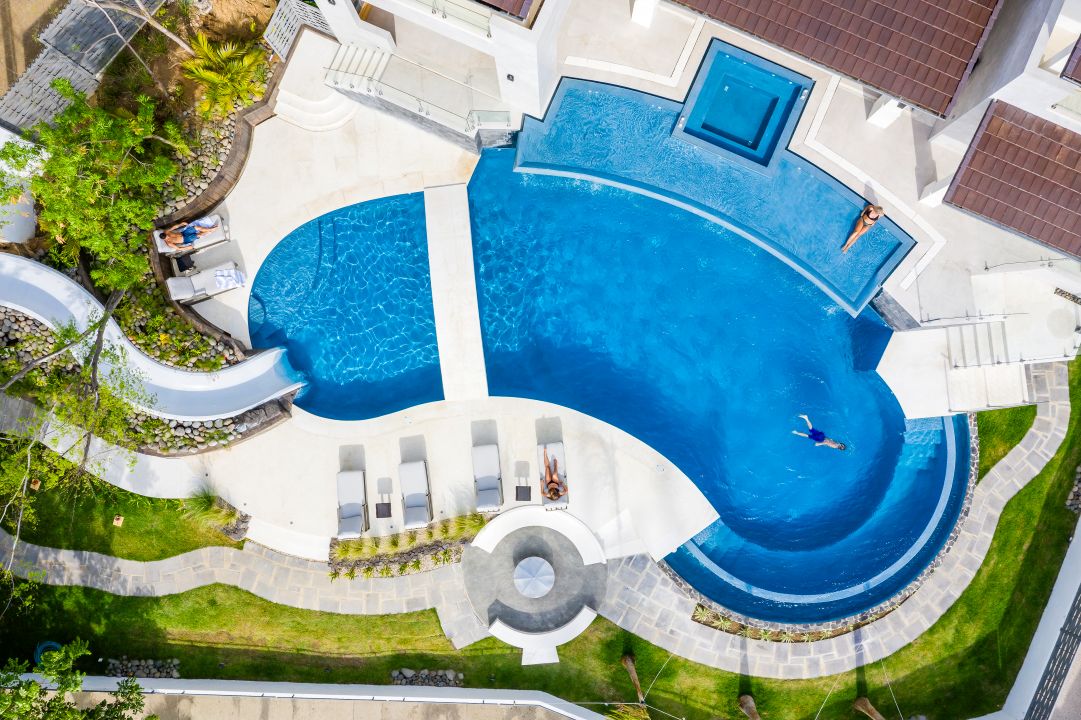
What is architectural photography really about?
Architectural photography is a specialized form of photography focused on buildings and built spaces, both inside and out. Its purpose is to represent architecture accurately, but also beautifully. The photographer is not only documenting a structure. They are interpreting how space, form, geometry, texture, and light come together.
That means strong architectural images usually feel clean, deliberate, and composed. Lines are controlled. Perspectives are thoughtful. Natural light or supplemental lighting is used with care. Even when the final image feels effortless, a lot of technical and creative decision-making sits underneath it.
There are two broad directions this work can take. One is documentary, where the goal is faithful representation for architects, publications, or project archives. The other is more commercial, where the images need to sell an experience, support a listing, strengthen a brand, or attract guests. In practice, most professional projects sit somewhere in between. A luxury home listing, for example, still needs to feel accurate, but it also needs to feel aspirational.
What architectural photography includes
Architectural photography usually covers exteriors, interiors, and detail images. Exterior work shows the relationship between the building and its surroundings, including landscaping, views, approach, and scale. Interior work focuses on layout, design flow, finishes, and the way rooms connect. Detail images highlight craftsmanship, materials, and smaller moments that help define the character of a space.
This is why the genre often overlaps with real estate, hospitality, and design photography but is not identical to any one of them. Real estate photography is often driven by speed and clarity for marketing. Architectural photography is usually slower and more precise. It gives more attention to composition, symmetry, vertical lines, and the emotional quality of light. Hospitality photography overlaps heavily, especially in resorts and villas, but it often adds a lifestyle layer that goes beyond the architecture itself.
The subject also affects the approach. Photographing a minimalist beachfront home is different from photographing a tropical resort, a retail space, or a historic building. Each calls for a different balance of accuracy, mood, and commercial intent.
Why architectural photography looks so polished
People often assume the difference comes down to a better camera. In reality, the polished look is more about control.
Architectural photographers pay close attention to perspective because buildings are full of lines that quickly reveal mistakes. If verticals are leaning or proportions feel distorted, the structure can look amateurish or unstable. Lens choice, camera position, and post-production all help create a cleaner, more natural result.
Lighting is another major factor. A room can have beautiful finishes and still photograph poorly if the light is harsh, mixed, or uneven. Professionals often work around the path of the sun, the orientation of the property, cloud cover, and interior lighting temperatures. Sometimes that means waiting for a specific time of day. Sometimes it means blending multiple exposures to hold detail in bright windows while keeping the interior warm and balanced.
Styling matters too. Architectural photography is not interior decorating, but every object in the frame affects the final image. Cushions, table settings, art placement, curtains, and surface clutter can either support the design or distract from it. The strongest images feel intentional because the scene has been refined before the shutter clicks.
What makes a great architectural photograph
A great architectural image does more than prove a building exists. It gives the viewer a sense of presence.
That often starts with composition. The photographer chooses an angle that reveals the logic of the design and guides the eye through the frame. Sometimes that means symmetry. Other times it means showing layers of space or using foreground elements to create depth. There is no single formula. A dramatic modern facade may benefit from a centered composition, while a warm interior may feel better from an off-axis perspective that shows flow and dimension.
Timing is equally important. Exterior images may look best in soft early morning light, late afternoon glow, or twilight when interior lights add warmth and contrast. Interiors often depend on a narrower window, when natural light feels bright but not harsh. In tropical locations, where sunlight can turn intense very quickly, timing can make the difference between a refined image and one that feels overexposed and unforgiving.
The best work also respects the architect’s or designer’s intent. Some spaces are meant to feel calm and restrained. Others are dramatic and bold. Good architectural photography adapts to that personality rather than forcing every project into the same visual style.
What is architectural photography used for?
The uses are broad, and the audience shapes the final result.
For architects and designers, the images become part of a portfolio and a long-term record of the work. They need to show design decisions clearly and professionally. For developers and luxury real estate teams, the goal is often marketability. Images need to create desire, communicate value, and help buyers imagine themselves in the space. For hotels, resorts, and vacation rentals, the job is slightly different again. The photography must sell both the architecture and the experience of being there.
That is why the same property might be photographed in multiple ways. A design publication may want clean, restrained images with minimal styling. A luxury rental brand may want warmer scenes that suggest comfort, service, and escape. Neither approach is wrong. The right choice depends on where the images will live and what they need to accomplish.
Architectural photography vs real estate photography
This is one of the most common points of confusion.
Real estate photography is usually designed to market a property quickly and clearly. It often prioritizes coverage, efficiency, and broad visual appeal. Architectural photography is typically more meticulous. It focuses on design integrity, line control, light quality, and a curated visual narrative.
There is overlap, especially in the luxury segment. High-end listings often benefit from a more architectural approach because buyers are responding not just to square footage, but to design, lifestyle, and finish level. Still, the difference often comes down to pace and purpose. If the priority is documenting every room for a fast-moving listing, the approach may stay practical. If the goal is to elevate brand perception or showcase the architecture itself, the shoot usually becomes more selective and detailed.
Why experience matters more than gear
Architectural photography rewards patience and judgment. A technically capable camera helps, but it does not know when reflections are distracting, when a room feels too crowded, or when a composition undermines the architecture.
Experience shows up in smaller decisions. It shows up in noticing how outdoor foliage casts color into an interior. It shows up in knowing whether to emphasize a view, a ceiling detail, or the way one room opens into another. It also shows up in understanding how a property will be used commercially after the shoot.
For destination properties and tropical architecture, local knowledge can be especially valuable. Light behaves differently near the coast. Humidity, cloud movement, strong midday contrast, and lush surroundings all influence the final image. A photographer who understands those conditions can plan around them instead of fighting them. That is part of why boutique studios like BiDrop approach architecture and property work as both a technical assignment and a visual storytelling project.
What to expect from a professional architectural shoot
A professional shoot usually starts well before the camera comes out. The photographer will want to understand the purpose of the images, the key features of the property, the intended audience, and where the photos will be used. That affects everything from shot selection to styling to time of day.
Preparation matters. Spaces are cleaned, styled, and simplified. Views are considered. Lights are tested. Sometimes furniture is adjusted by inches, because small changes can make a room feel dramatically more balanced on camera.
During the shoot, progress tends to be measured rather than rushed. One image may involve several adjustments to lighting, composition, and detail. In post-production, the goal is usually refinement rather than heavy-handed manipulation. Colors are balanced, lines are corrected, distractions are minimized, and the final images are polished without losing credibility.
The result should feel elevated, but still believable. That balance is where trust lives.
Architectural photography is, at its best, a form of translation. It takes space, design, and atmosphere and turns them into something a viewer can feel from a screen or a printed page. If a building was created with care, the images should carry that same level of intention.