
An empty living room rarely feels luxurious in a listing, even when the property itself is. Buyers scroll fast, and vacant rooms tend to photograph colder, smaller, and less memorable than they feel in person. That is exactly why before and after virtual staging has become such a valuable tool for real estate marketing, especially for properties that need to communicate lifestyle as much as square footage.
The shift can be dramatic, but the real value is not just visual. A strong virtual staging transformation helps people understand scale, imagine function, and emotionally place themselves in the home. For agents, developers, and short-term rental owners, that changes how a property is perceived before anyone sets foot inside.
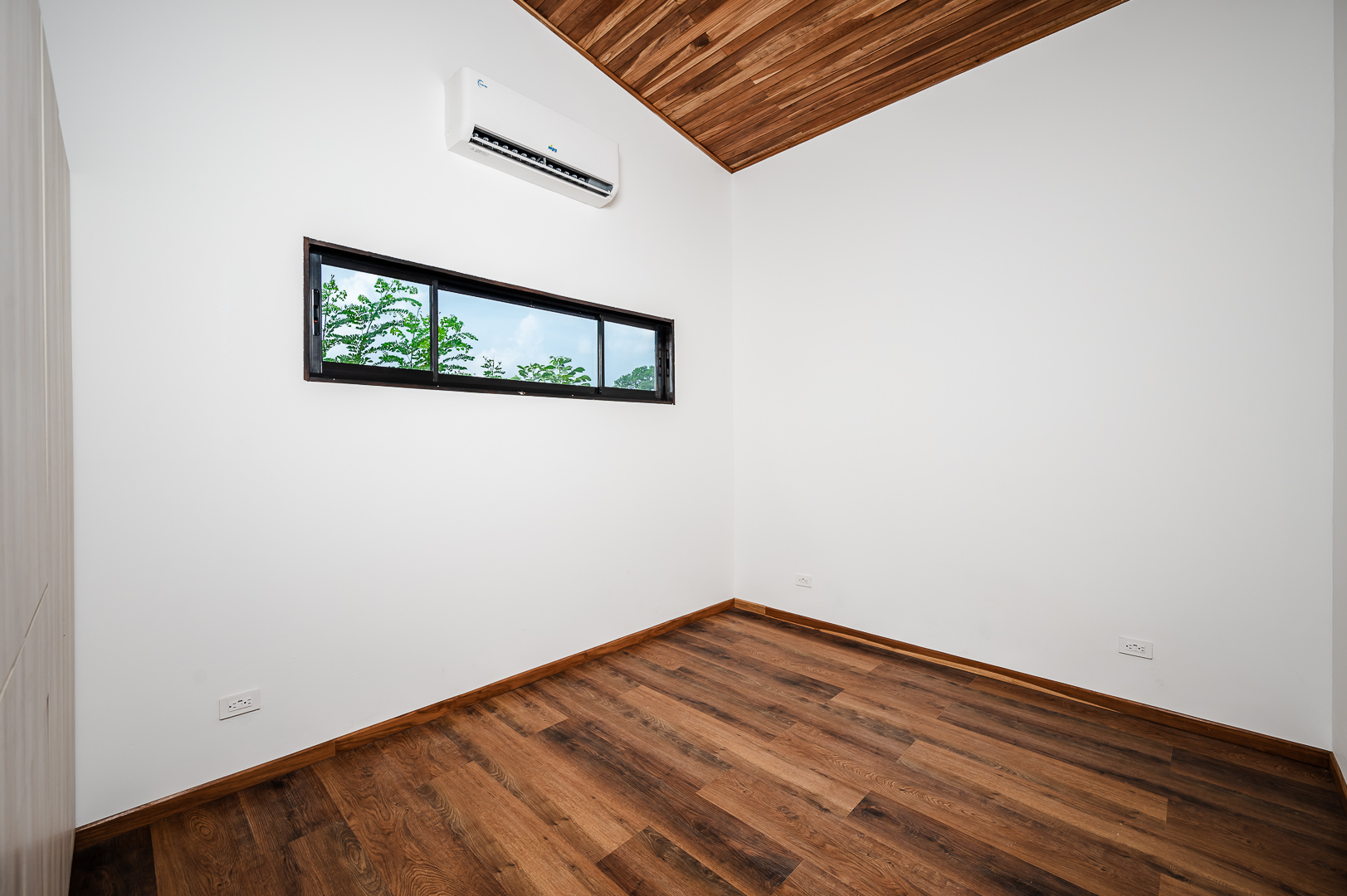
Before:
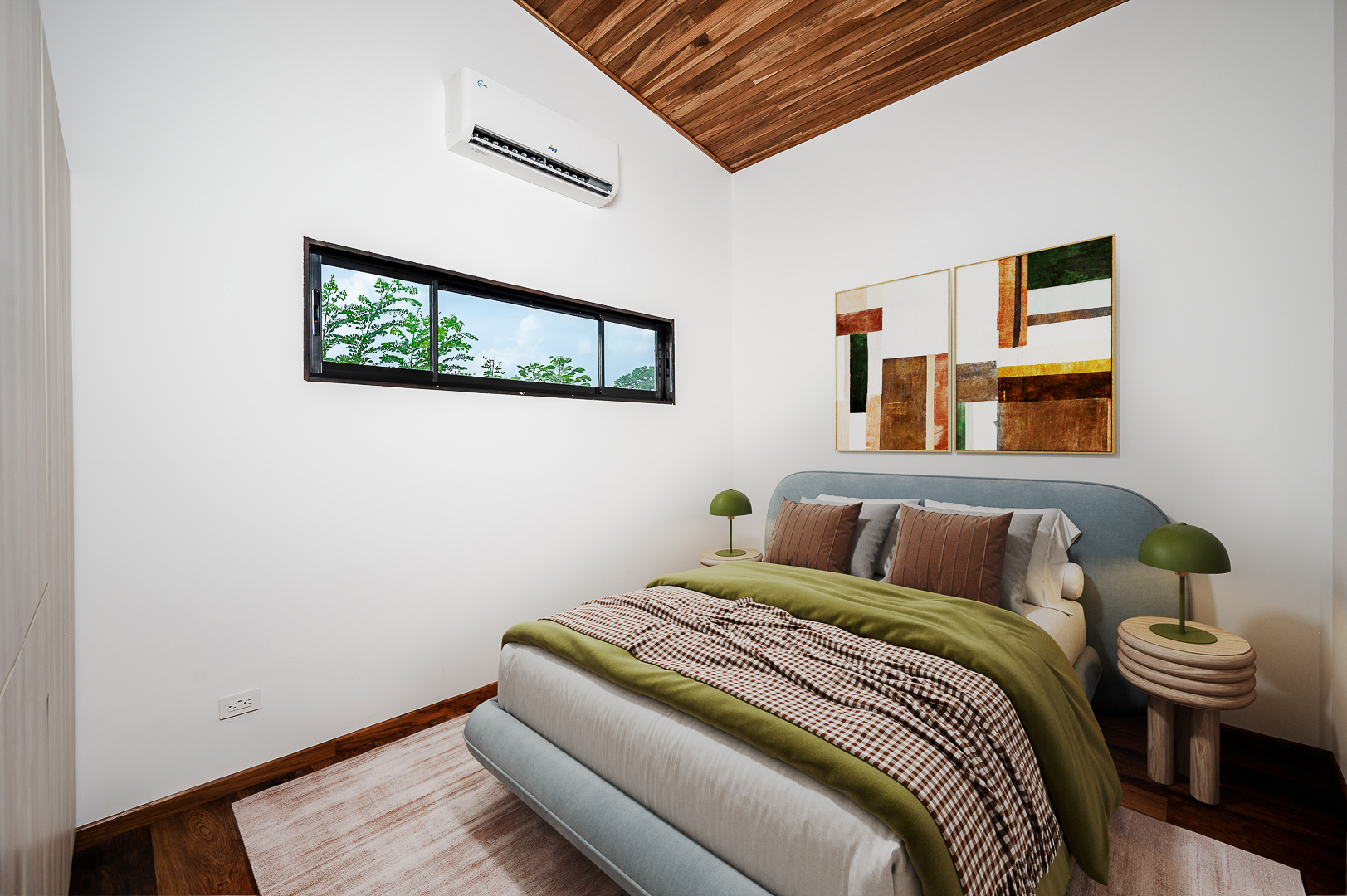
After:
What before and after virtual staging really shows
The phrase sounds simple, but a true before-and-after comparison reveals more than furniture added to a photo. It shows how presentation shapes perceived value.
In the before image, the room might be well built, bright, and spacious, yet still feel unfinished. Blank walls and empty corners leave too much work for the viewer. Most buyers are not trained to read an empty room and instantly understand how it should live. They hesitate. They guess. Sometimes they move on.
In the after image, the same space gains structure. A seating area defines the living room. Art and lighting create balance. A dining setup gives proportion to an open-plan area. The room starts telling a story, and that story matters. People do not buy only layouts. They react to atmosphere, rhythm, comfort, and aspiration.
That is why before and after virtual staging is so effective in online listings. It closes the gap between raw space and lived possibility.
Why empty listings underperform
Vacant homes can be beautiful in person and still underwhelm online. Photography compresses depth and removes some of the sensory cues people rely on when they walk through a property. Without furniture, rooms often look smaller because there is no visual reference. A bedroom can feel vague. A large terrace can look oddly bare. A generous living area may read as an empty box instead of an elegant gathering space.
This matters even more in luxury and destination markets, where the sale is often emotional before it is rational. Buyers are not only evaluating finishes. They are imagining mornings by the pool, evenings entertaining friends, or a vacation rental that feels instantly elevated. If the imagery does not support that vision, the property can lose momentum.
Virtual staging gives the viewer a path into the home. It turns abstraction into context.
The difference between good and bad virtual staging
Not all virtual staging helps. Some of it does the opposite.
When staging looks artificial, oversized, or stylistically disconnected from the architecture, viewers notice. A modern tropical villa should not be filled with generic furniture that feels copied from a catalog with no regard for the room’s lines, natural light, or market position. If shadows are wrong or proportions feel off, trust drops quickly.
Good staging is restrained. It respects the property first. It uses furniture and decor that fit the home’s design language, the target buyer, and the price point. A beachfront condo may call for clean, airy styling. A contemporary luxury home may need sculptural pieces and a more editorial finish. A family-focused resale listing might benefit from warmth and practicality rather than dramatic styling.
That balance is where professional visual judgment matters. The goal is not to decorate for decoration’s sake. The goal is to help the property read clearly and beautifully.
Before and after virtual staging for different property types
The strongest use of virtual staging depends on what is being sold.
Luxury homes
In higher-end listings, empty rooms can feel especially flat because buyers expect a polished visual experience. Before-and-after virtual staging can frame a home’s architecture properly, showing how scale, flow, and lifestyle come together. It can also prevent premium spaces from feeling sterile.
That said, luxury buyers are sensitive to anything that feels fake. The staging has to be refined, believable, and tailored to the home’s design.
New developments
For developers, staged renderings and staged photography help bridge the gap between construction and sales. When units are complete but unfurnished, virtual staging can help buyers compare layouts and understand how each room functions. It is often one of the fastest ways to make inventory more market-ready without physically staging multiple units.
Airbnb and vacation rentals
For short-term rentals, the issue is slightly different. Guests are not just buying space. They are booking an experience. If a room looks unfinished or impersonal, conversion can suffer.
Virtual staging can help when a rental is newly finished, being redesigned, or still waiting on furniture. But here the trade-off is worth noting. If the final furnished space will look meaningfully different from the staged images, expectations can become a problem. For hospitality listings, accuracy matters just as much as beauty.
What buyers notice in before and after virtual staging
Most viewers will not analyze the design in technical terms, but they do react to certain things almost immediately.
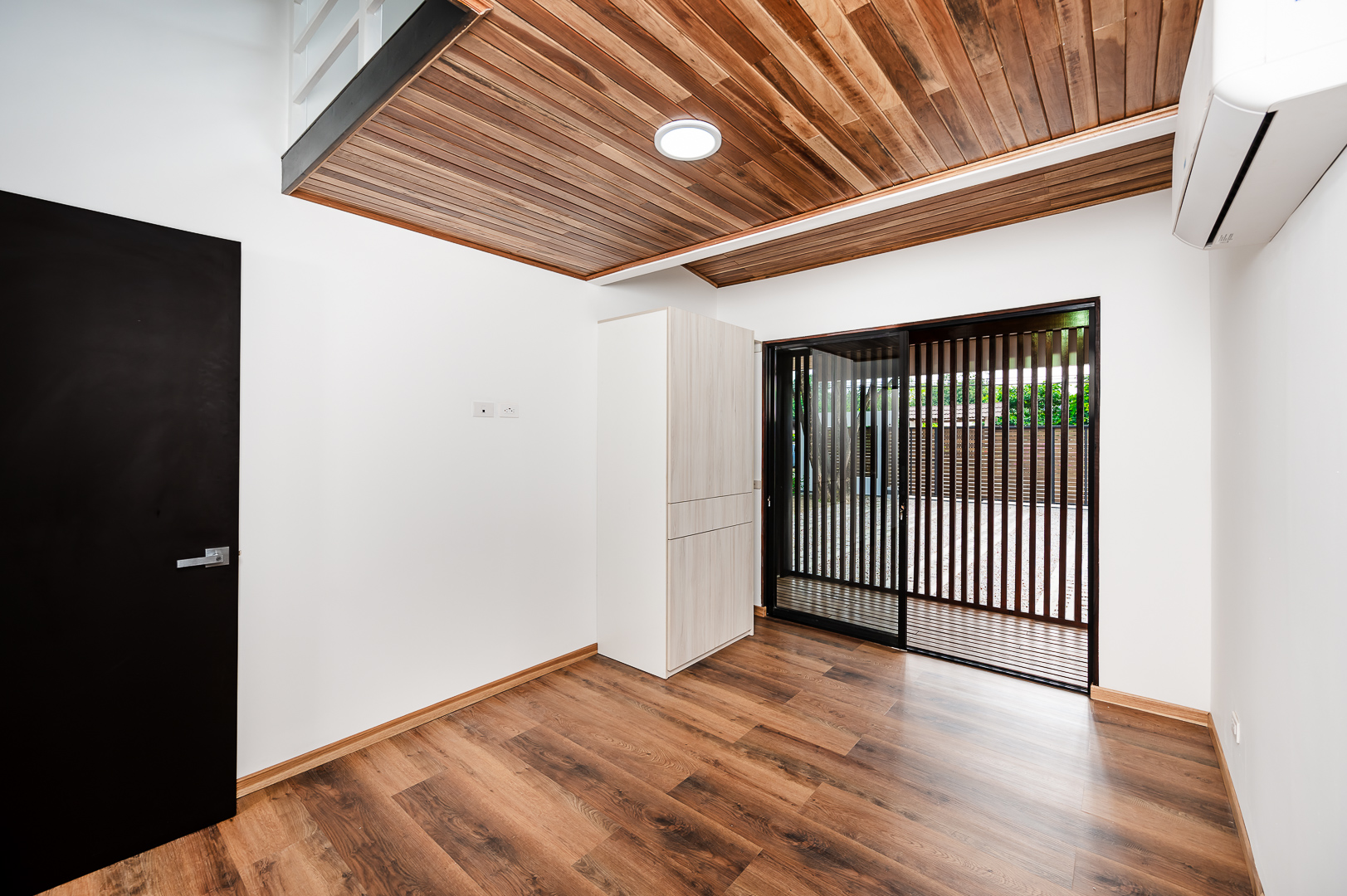
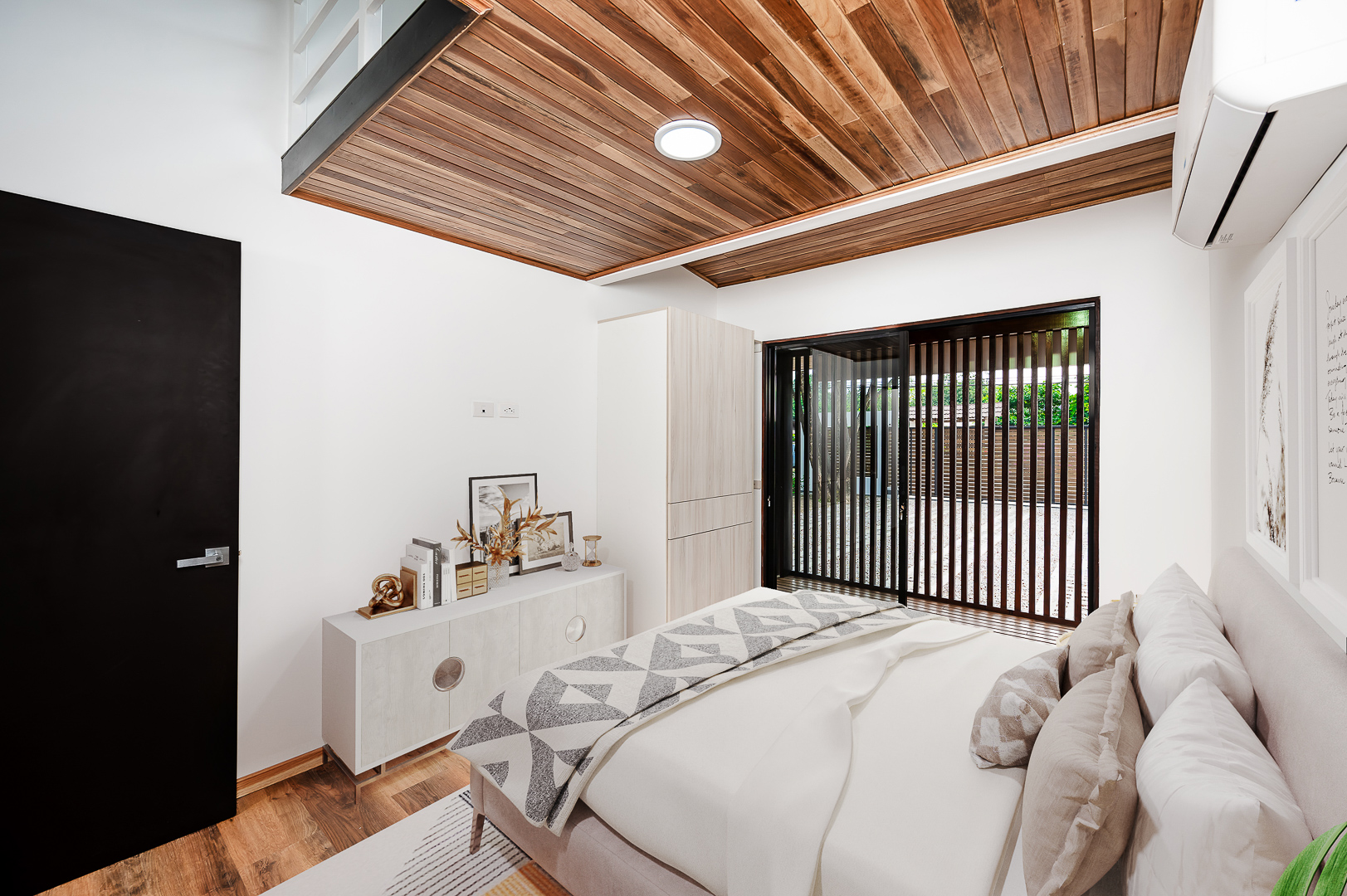
They notice whether the room feels balanced. They notice whether the furniture scale makes sense. They notice whether a home feels current, warm, and cared for. They also notice when a room finally makes sense after being staged. An awkward nook becomes a reading corner. A large bedroom gains proportion. An open space stops feeling empty and starts feeling intentional.
This is why before-and-after examples are persuasive in marketing conversations. They make the invisible visible. They show how much of a property’s online performance depends on presentation, not just architecture.
When virtual staging is the right choice
Virtual staging is often the smart choice when a property is vacant, a budget does not justify physical staging, or timing is tight. It is also useful when the goal is to test a style direction that suits a specific buyer profile.
But it is not always the best answer.
If a home is already beautifully furnished, strong photography alone may do more than staging ever could. If the existing furniture is dated but usable, partial redesign or selective editing may be enough. And if the listing audience is likely to distrust heavily edited imagery, subtlety becomes essential.
The best decision depends on the property, the timeline, the sales strategy, and the level of competition in the market.
Before:
After:
How to make before and after virtual staging look credible
A credible result starts with strong original photography. If the base image has poor angles, flat light, or clutter, staging cannot fully rescue it. The room needs to be photographed cleanly, with accurate verticals, natural light balance, and enough detail to support realistic editing.
Then the staging itself should follow the architecture. Window lines, perspective, flooring, and lighting all need to agree. Furnishings should complement the home’s style rather than distract from it. In tropical and coastal markets, that often means a lighter hand – natural textures, clean forms, and an editorial sense of ease rather than visual excess.
This is where a studio with both photographic and post-production experience has an advantage. The final image works best when it is built from a photographer’s understanding of space, not just a designer’s mood board.
The business case behind the transformation
The reason before-and-after virtual staging continues to gain traction is simple: first impressions are now happening on screens. Whether someone is browsing a listing portal, a brokerage site, or a rental platform, the imagery decides which properties earn a closer look.
A polished staged image can increase interest because it helps people picture the home as livable, desirable, and complete. It can support stronger branding for agents and developers. It can also reduce the amount of imagination required from the buyer, which is often where empty listings lose people.
That does not mean staging alone sells a weak property. It cannot fix poor pricing, a flawed layout, or bad location. But when the property is strong and the visuals are holding it back, the difference can be significant.
For premium listings, that gap matters. Presentation shapes perception, and perception influences action.
BiDrop Images approaches this work with the same standard applied to high-end real estate photography: the image has to feel elegant, believable, and aligned with the way the property actually lives.
A good before-and-after transformation should never feel like a trick. It should feel like clarity. When the staging is done well, the buyer is not admiring the edit. They are imagining their life in the space, and that is where strong marketing begins.